Reducing coupler-Upset Transition coupler
 Home
Home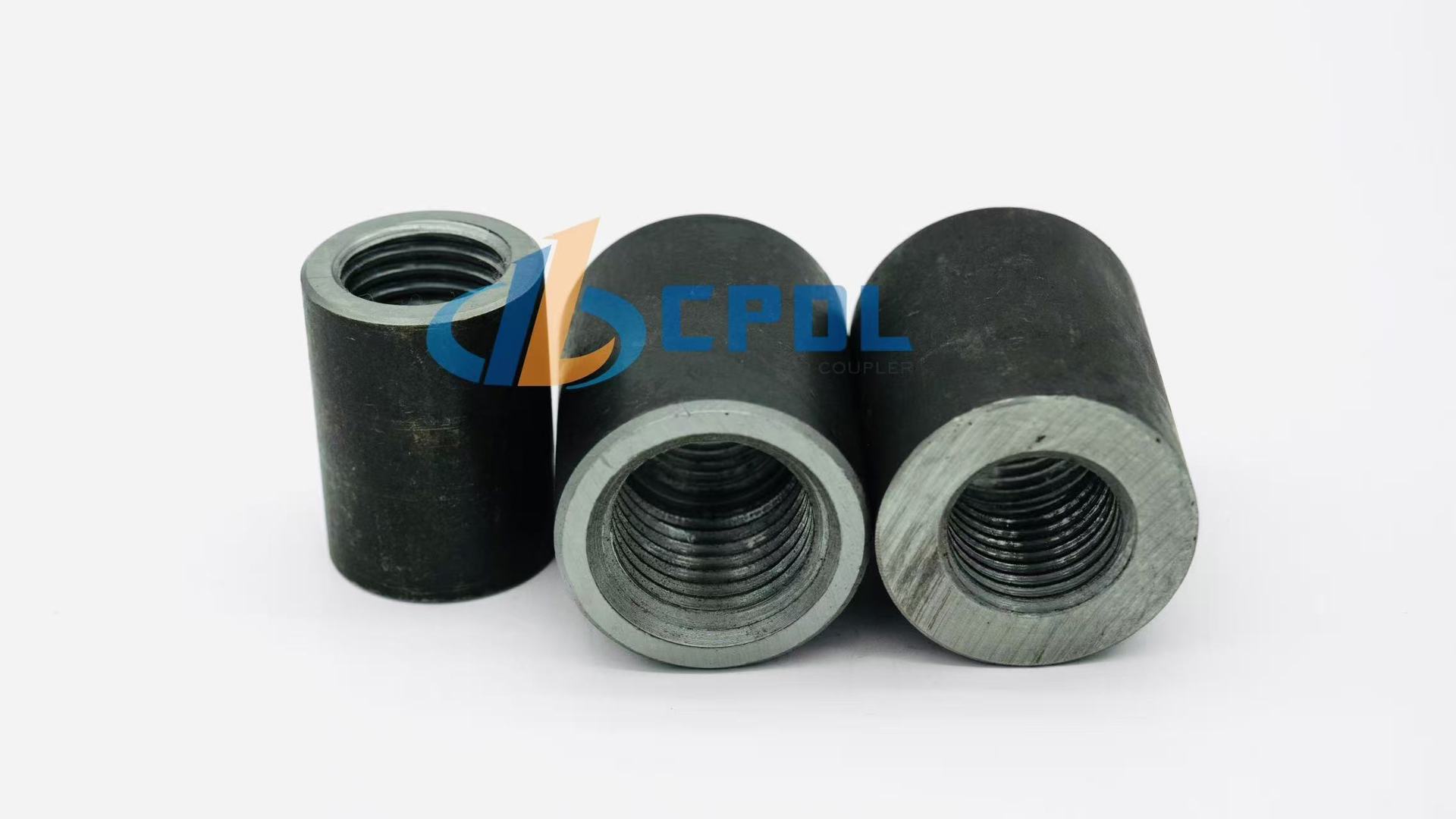
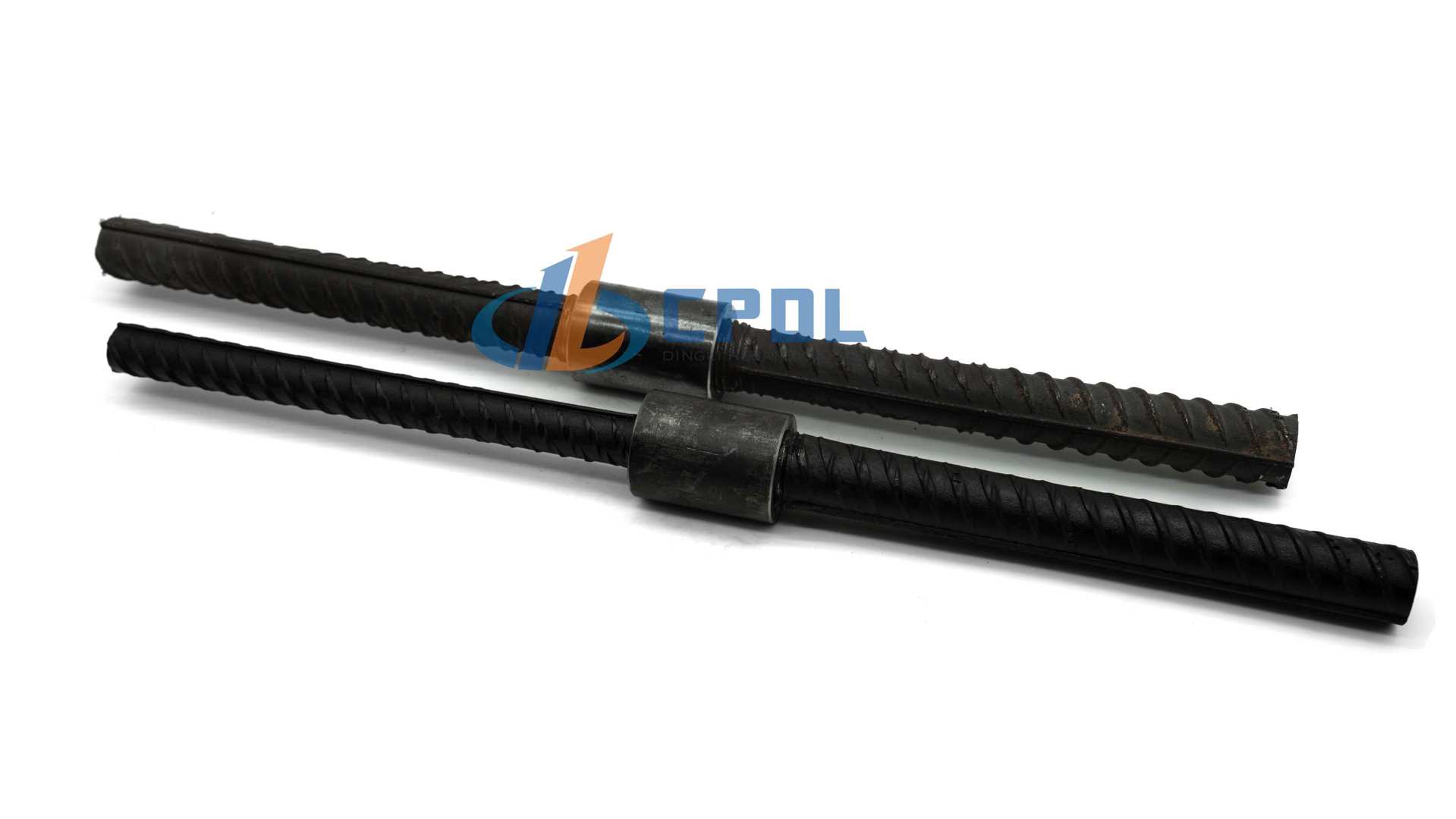
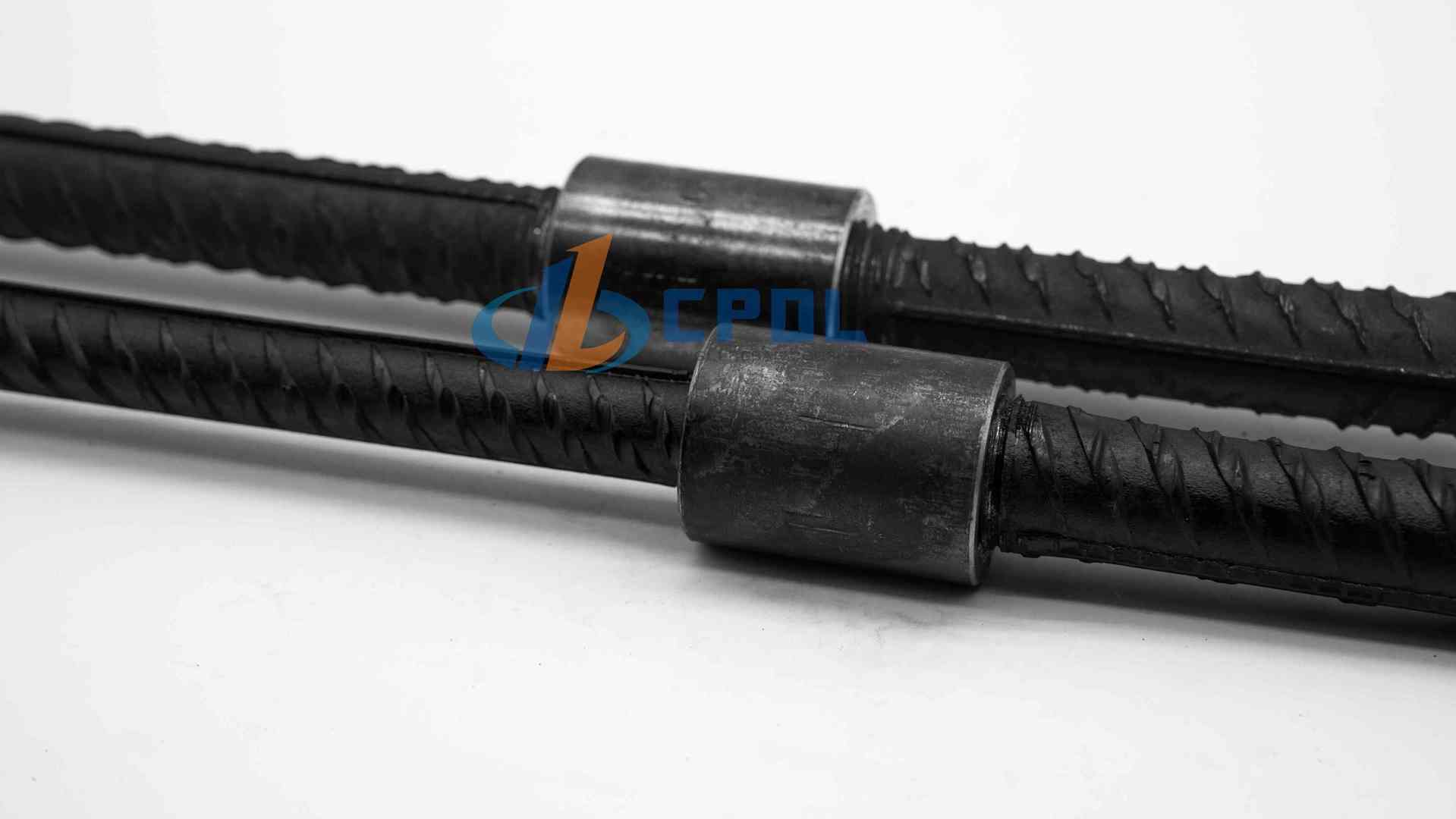
Reducing coupler-Upset Transition coupler
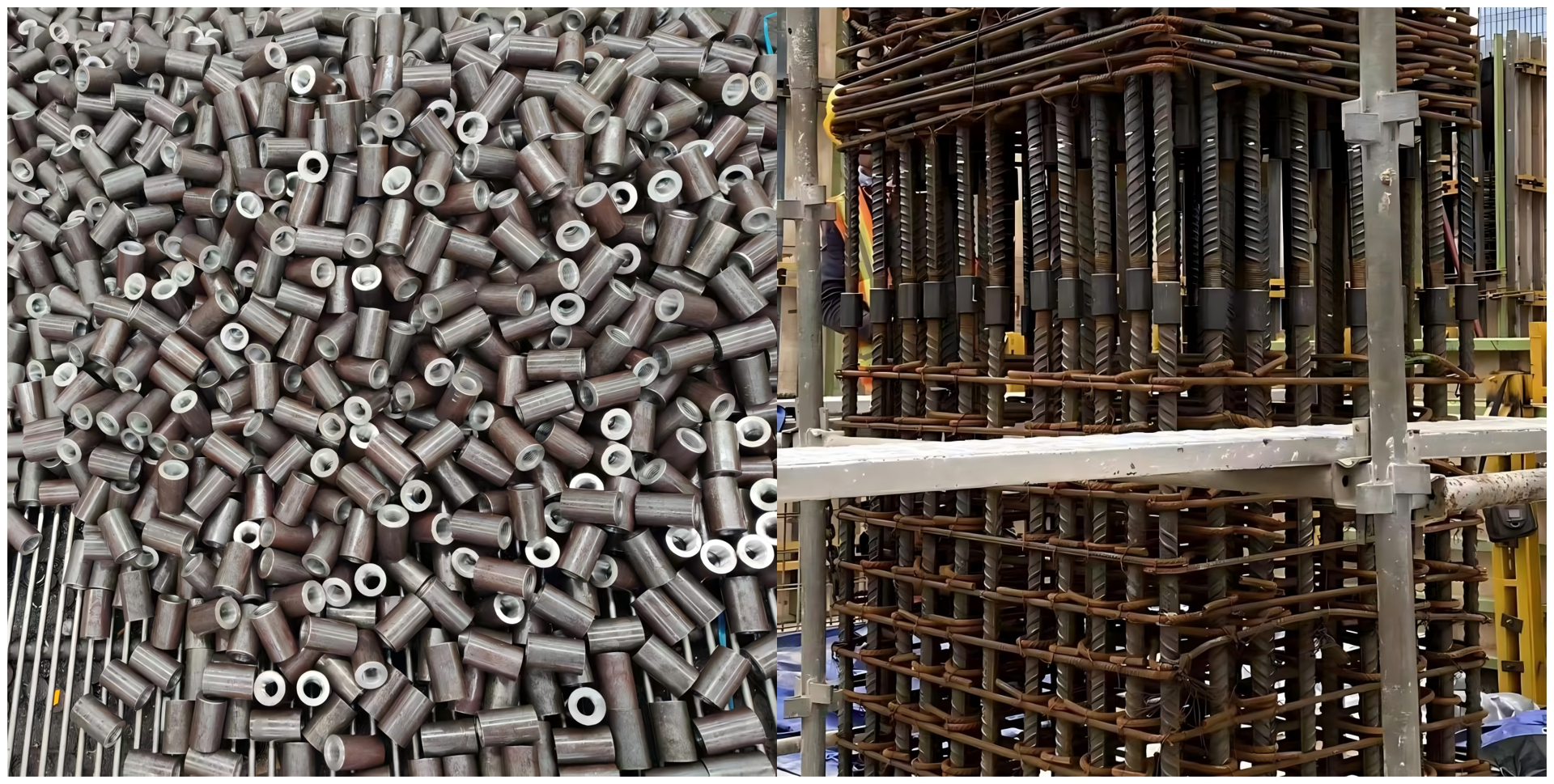
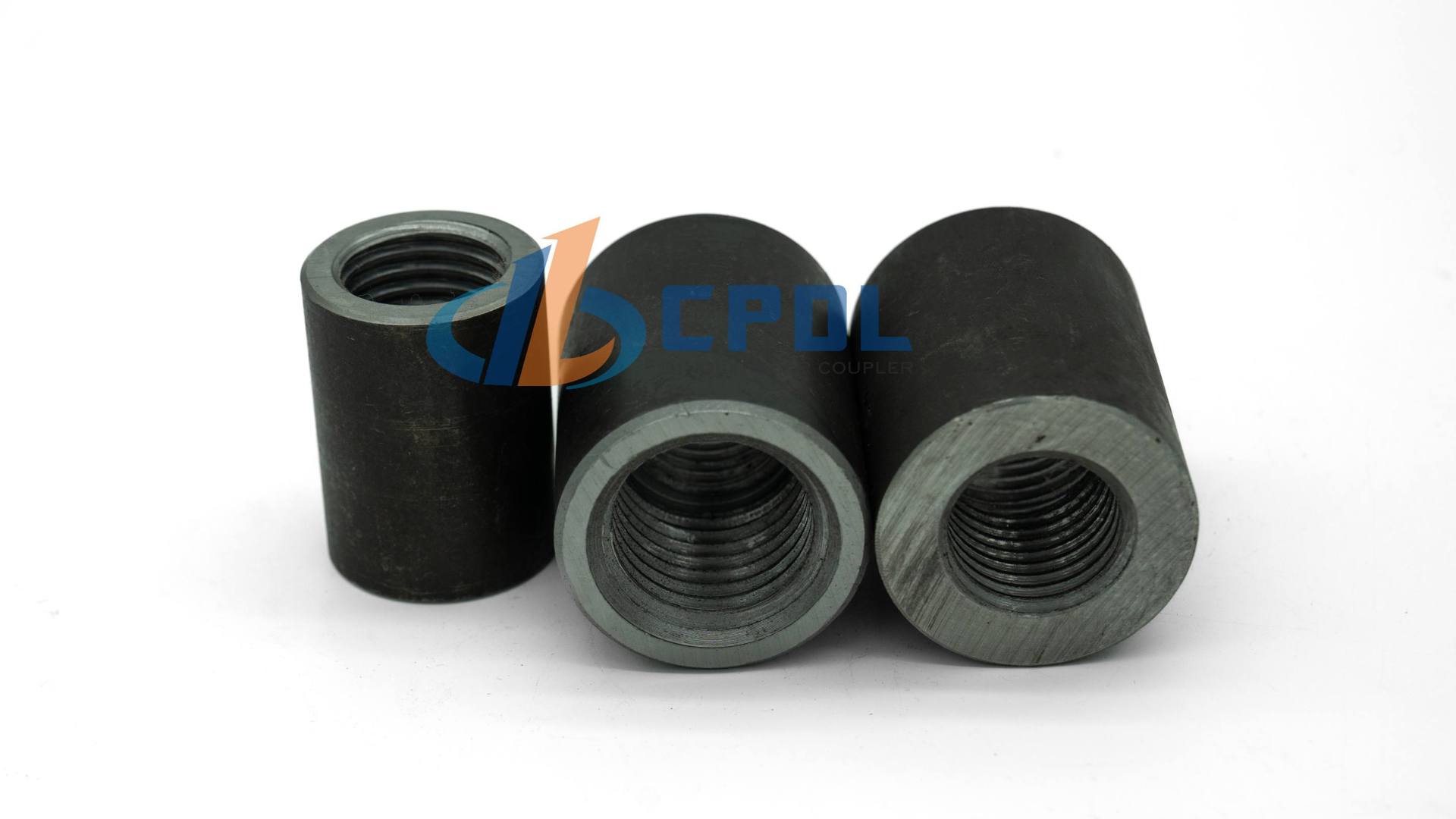
Upset Transition Coupler is a specialized rebar splicing component designed for connecting rebars of different diameters. Featuring an upset-forged structure, it ensures high tensile strength and stable load transfer between dissimilar-sized rebars, ideal for concrete structural projects.s
size: from 12mm to 40mm.Meet the requirements of steel bars: HRB500/B500B/SD600/ASTM 75
Material:45C
Get a quote
size: from 12mm to 40mm.Meet the requirements of steel bars: HRB500/B500B/SD600/ASTM 75
Material:45C
Product Description
Advantages
1. Its strength far exceeds that of ordinary reducer sleeves. The steel bars are first upset and then threaded, ensuring that the joint strength is no less than that of the parent material, and the strength will not be weakened due to the change in diameter.
2. Specifically designed to address the connection of "high-strength steel bars of different diameters", such as Φ36 to Φ32, Φ32 to Φ28, and Φ28 to Φ25. These large diameter changes are prone to failure with ordinary joints, but the upset reducer is more stable.
3. Better seismic resistance, fatigue resistance, and impact resistance. It is suitable for high-intensity seismic zones, dynamic loads, and heavy-load structures.
4. The construction process is as simple as that of ordinary sleeves. It is still a matter of tightening the sleeve on-site, which is neither slow nor troublesome, and is easy for workers to operate.
Application Scenarios and Positions
1. Main reinforcement bars of columns change in diameter from bottom to top (most commonly used and recommended)
Bottom layer with larger diameter → Top layer with smaller diameter
Example: Φ36 / Φ32, Φ32 / Φ28, Φ28 / Φ25
For super high-rise buildings, frame columns, and frame-shear wall columns, the preferred method for changing the diameter of large-diameter steel bars is to use the upsetting method.
2. For high-strength steel bars (HRB500, HRB600,G80), the upsetting process is more reliable when changing the diameter.
3. Key projects such as bridges, high-speed railways, subways, and tunnels
Main reinforcement bars of bridge piers, cap beams, box girders, pile caps, and pile foundations change in diameter
Design requirements: Grade I joints, seismic Grade I
4. For large-span factories, heavy steel structures and their supporting structures, such as crane beams, frame support beams, transfer floor beams, and large-section beams, where the load is heavy, it is necessary to use reinforced joints.
5. For large-diameter diameter changes in high-corrosion and high-durability projects, such as coastal, cross-sea, and saline-alkali land projects, large-diameter steel bars need to change in diameter while ensuring strength.